




March in the greenhouse is a month when things start moving. The light has changed, and though nights still carry a chill, a little warmth now gathers under the glass by day. It is at this hinge of the seasons that fruit grown under glass begins to stir in earnest. Buds swell along trained branches, sap rises, and blossom begins to burst.
I grow a dwarf nectarine in my greenhouse, and it suits it beautifully. A peach would work well too (both are forms of Prunus persica). In the open garden they can be capricious, beautiful one year and blighted the next. Chief among their troubles is peach leaf curl, caused by the fungus Taphrina deformans. Its puckered, reddened leaves are a familiar heartbreak to outdoor growers, particularly after cool, wet springs. Under glass, however, the story changes. Because the fungus spreads on rain in damp conditions as buds break, the simple act of keeping rain off the emerging leaves can dramatically reduce infection. A roof in March and April is often the difference between a sickly tree and one clothed in clean, green foliage.
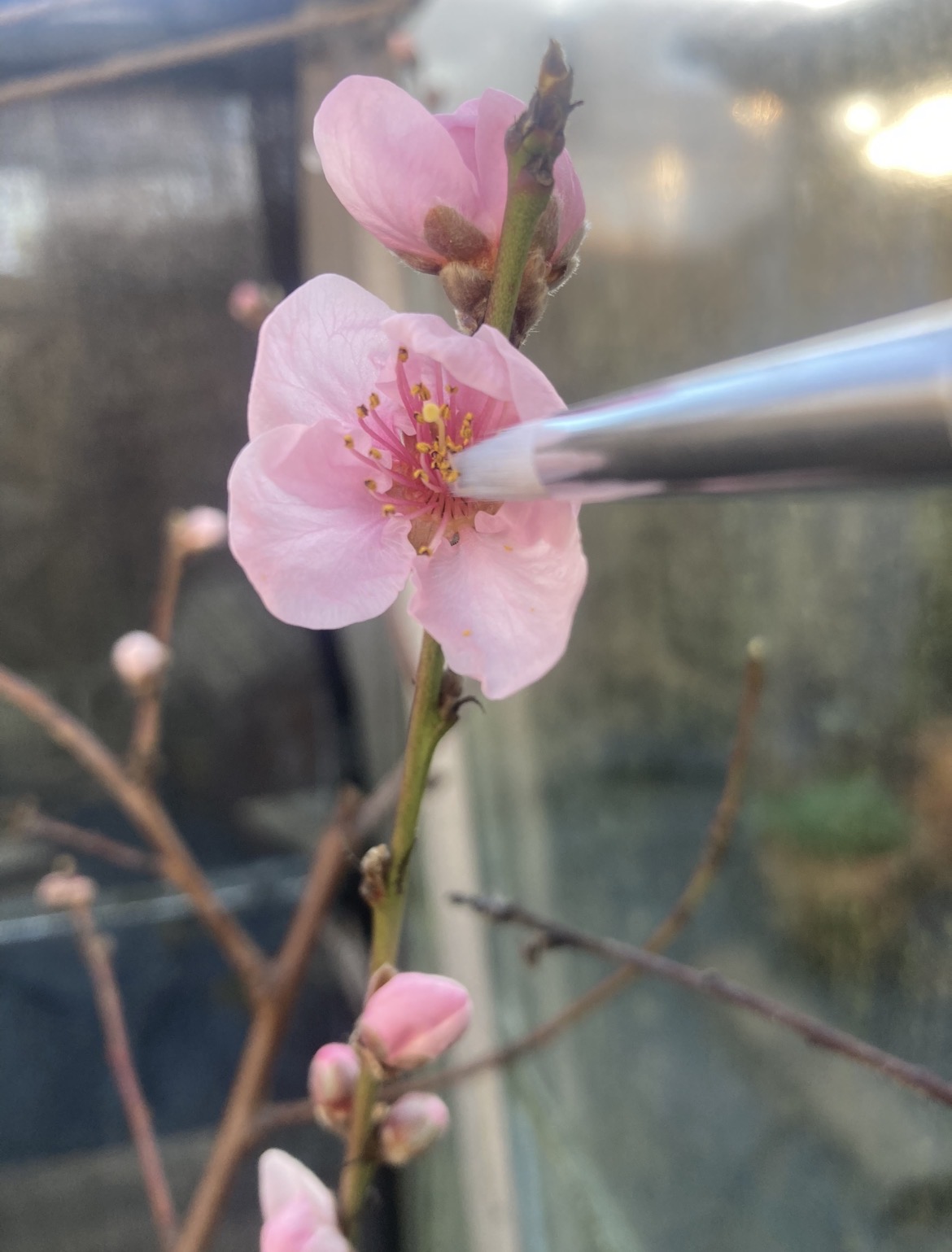
There is also the matter of heat. Peaches and nectarines flower early, their delicate pink blossom opening at a time when frost still prowls. In a greenhouse, even an unheated one, the temperature is moderated, and extremes are softened. On sunny days the warmth builds sufficiently to encourage pollination and fruit set. As insects are scarce indoors, a soft brush passed from flower to flower at midday can ensure a good crop. Trained against a sunny wall or grown on dwarfing rootstocks, these trees respond well to the extra degree or two that glass provides, ripening their fruit to a sweetness rarely achieved outdoors in cooler districts.
Apricots reward similar treatment. Their blossom is among the earliest of all orchard fruits, often opening when winter has barely loosened its grip. Under glass, varieties of Prunus armeniaca can be coaxed into reliable cropping, the pale flowers protected from rain and frost, the developing fruit swelling steadily in the gentle heat. Like peaches, they relish careful ventilation: warmth by day, but fresh air whenever possible, to keep fungal problems at bay and growth sturdy rather than sappy.
Grapevines are perhaps the most traditional of greenhouse fruits. A well-managed vine will travel the length of a greenhouse, its roots sometimes planted outside and its stem brought in beneath the sill. The controlled environment allows for earlier growth and dependable ripening, particularly for dessert varieties that struggle in open ground in less forgiving summers.
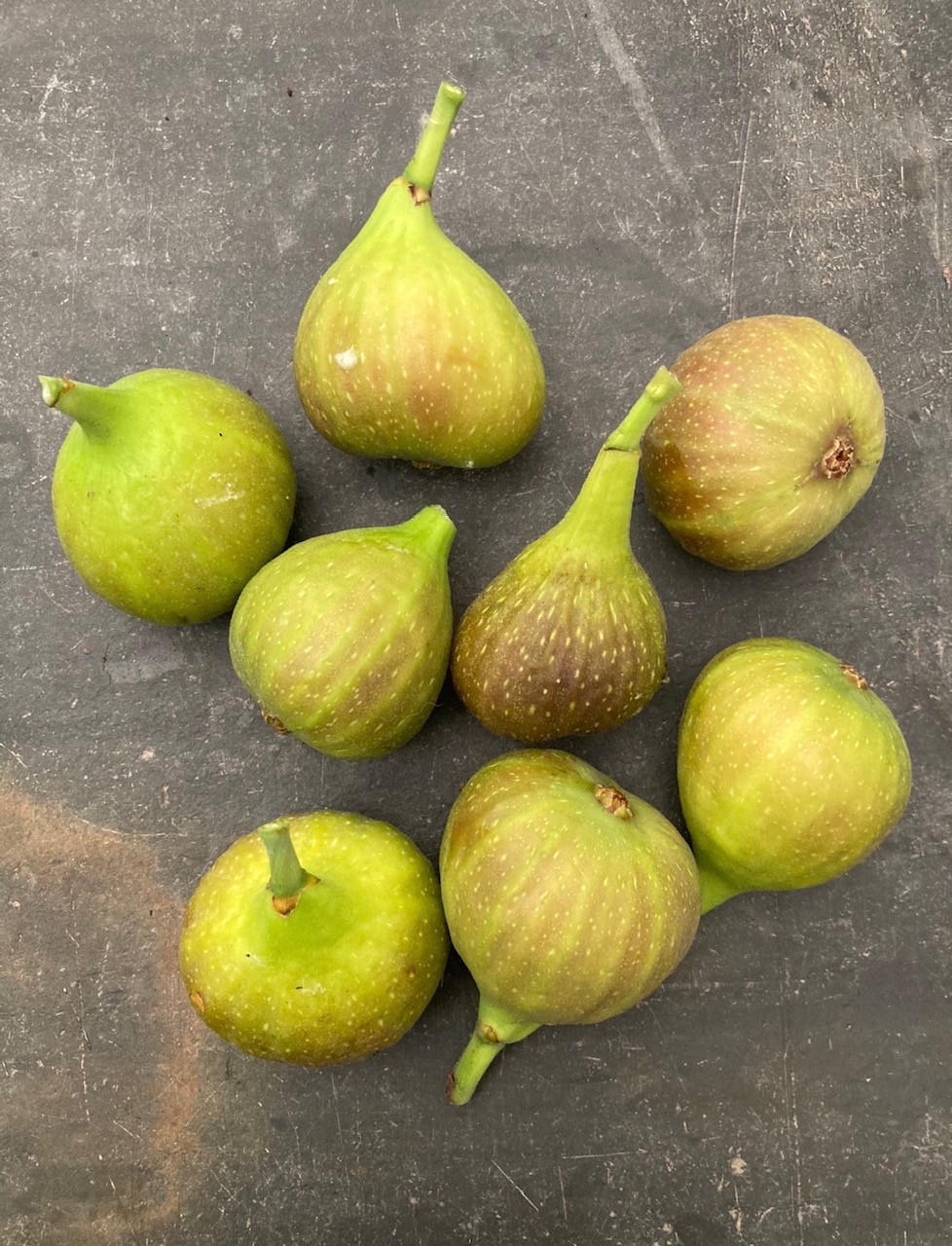
Figs, too, are well suited to life under glass. Though hardy in many gardens, they benefit from the extra warmth, which encourages reliable ripening of the main crop. Restricted roots, whether in a container or a prepared pit, help concentrate the tree’s energy into fruit rather than leaf. In the greenhouse’s sheltered atmosphere, the broad, architectural foliage creates a Mediterranean impression long before summer arrives.
Citrus also loves a cool greenhouse, whether permanently housed or moved in for the colder months. Lemons and kumquats appreciate the high light levels of early spring, and the scent of their blossom transforms the greenhouse.
We use the greenhouse to make the most of what we’ve got, opening vents as the sun climbs, closing them against a sharp evening, guiding branches, thinning fruit, brushing blossom. This way we can fool some of the most luxurious fruit trees that we have a climate that is perfect for them. In March, as buds swell and the greenhouse brightens day by day, that partnership begins again, and with a bit of luck the summer will see its fruits.