


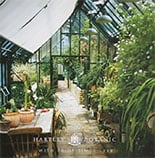

What’s lurking among the plants in your greenhouse? Jean Vernon explores the mini-beasts that may call your greenhouse home.
Our greenhouses are often isolated from the rest of the garden and removed from the natural balance. That said, we know there are all sorts of creatures that find their way into the protected climes inside and many are protected there from their natural predators, creating a lopsided food chain.
It’s almost impossible to have a sterile, bug free glasshouse and honestly why would you. We need the pollinators to pollinate our tomatoes and greenhouse plants and we need other predators and mini-beasts too. But our greenhouses can restrict what visits, what leaves and which creatures can survive within its glass-paned space. It’s not always a case of controlling them, but there are ways we can ensure their survival or tolerate them where possible.
Bumblebees

As soon as the queen bumbles start emerging from their winter torpor (like hibernation) they find their way into my greenhouse. Usually through the automatic vents high in the eaves. And then as the temperature drops, the vents close and the bumblebees are trapped inside. A morning and evening check inside the greenhouse can save many lives and subsequent generations that these queen bumblebees create. The first way to ensure their survival is to have something in flower in the greenhouse at all times. Early in spring and into summer a few potted rosemary plants offer vital nectar when in flower. These evergreen herbs often flower in winter and spring.

Invest in a spider vacuum to help you save tired bees banging their head against the glass, you can reach into the eaves and gently suck the bee into the tube and then safely release outside. If the bee is exhausted you can revive with sugar syrup, half sugar (white not brown) and half lukewarm water.
If you grow tomatoes, you need bumblebees to pollinate them. Bumblebees have a clever technique that releases the pollen, called sonication and then carry the pollen from flower to flower.
Wasps

It’s such a shame that wasps aren’t better appreciated. If you’ve got a wasp nest in your garden then you’ve got free ‘pest-control’ – these incredible creatures take the caterpillars, aphids and soft-bodied creatures and they feed them to their babies. Wasps are important pollinators too. In April I often find huge queen wasps in the greenhouse. They seem to overwinter in my greenhouse, taking refuge in late summer and then emerging in spring. Just like the queen bumblebees they will take advantage of my flowering rosemary. They drink from a saucer of wet moss. I can catch them with my spider vacuum and release them outside to make their nest.
Slugs and snails

It’s fascinating how slugs and snails can find their way into the greenhouse. And then they hunker down in damp places emerging at night to feast on our plants. But they don’t all eat fresh leaves, many deal with dead and decaying matter, while others recycle other debris and some eat each other.
I love snails. And I won’t do anything to harm them. Snails are simple to deal with. Gently tap their shells to prepare them for removal. Then when they have retracted into their shell, lift them gently and place them outside. Snails play a vital role in the ecosystem.
Slugs, which are naked snails, can be removed and placed outdoors. Like the snails they have an important place in the food chain. But, remember your plants are the bottom layer of the food chain. If you want to catch them you could use beer traps inside the greenhouse. Or you could try using copper tape to protect pots and planters.
Flies
Look closely and you are very likely to have a range of flies inside your greenhouse. You might be surprised to learn that flies are important pollinators, especially in lower temperatures. That means in late winter and early spring, flies do a lot of the pollination work in our gardens and greenhouses. They are also food for the birds and other predators like spiders and even wasps. Flies will come and go from the greenhouse through the vents and windows. There are many different species of flies, some are tiny like the fungus gnats (see below) and others are huge like the blue and green bottles. Like most adult pollinators they forage on flowers for a sugar rich nectar fix.
Woodlice

Look under your pots and planters in the greenhouse and you will find lots of these damp loving critters. Did you know that woodlice are not insects and are actually closely related to shrimps and lobsters? Woodlice breathe through gills. That’s why they like damp places. They are more active at night and are vital recyclers in the garden and the greenhouse devouring dead and decaying matter and releasing vital nutrients into the soil. And of course, they are food for predators, especially out in the garden.
Aphids
Seedlings, cuttings and fresh shoots can quickly become infested with aphids inside the greenhouse. Without the birds taking these creatures to feed their babies, a cluster of aphids can become a problem inside the greenhouse. It’s important to ensure natural predators are present to feast on the aphids and keep them under control. Spiders will take a few, trapping flying aphids in their webs. I collect ladybirds from the garden and bring them into the greenhouse in spring to feed on the aphids and lay their eggs nearby so that their larvae have food to eat. Wasps will also take fat juicy aphids to feed their larvae.
Ladybirds

Ladybirds can find their way into your greenhouse, they fly in through the windows, though I also collect them and bring them inside (see above). Once the adults have laid their eggs, they can then leave the way they arrived and return to the garden, but the larvae remain to feast on the bugs. Ladybirds also eat whitefly. Make sure you don’t use pesticides in the greenhouse, as they are not selective and will kill beneficial creatures as well as those you don[t want.
Whitefly
One of the harder mini-beasts to control in the greenhouse is the whitefly. Ladybirds will eat them, but the best predator to keep whitefly from taking over is a tiny parasitic wasp called Encarsia Formosa. You need to buy this wasp and release it into the greenhouse in the summer, where it lays its eggs into whitefly nymphs. It’s a pretty gruesome way to die, but it works.
Fungus gnats
Those little flies that hover over wet compost in the greenhouse are sciarid flies and can become a problem for houseplants and greenhouse plants. It’s not the adults that damage our plants, but the larvae that can eat plant roots and if the population explodes this can be damaging. If you can prevent the adult flies laying their eggs into the compost by using a barrier you can reduce the population. Or puff some diatomaceous earth over the compost surface.
Spiders

Most greenhouses have a few spiders inside taking advantage of the flying bugs that they can catch in their webs. But not all spiders make webs. I’ve got a tiny black and white jumping spider in my greenhouse, probably more than one. It’s very secretive and hides if I spot it, which is a shame as I love having it in my greenhouse and I’d really like to get to know it. It will be catching all sorts of flies and gnats and thrips and more, keeping my greenhouse healthier.
Insect screens
You can fit insect screens to your vents and windows to keep unwanted guests out of your greenhouse but you have to factor in those that are already in there. Unless you have a new greenhouse with a stone floor and no other access it’s impossible to keep insects out of the glasshouse. And many insects do have a role to play.
Live and let live
If you can live and let live your greenhouse can establish its own healthy balance. There will always be peaks and troughs inside the greenhouse and outside in the garden. Just keep a close check on things. Visit your greenhouse twice a day to keep an eye on visitors and residents that may need help to leave. Avoid using pesticides, which will kill friends and foes and find a way to embrace your greenhouse mini-beasts. You might be surprised what you notice and how you change your thinking.