


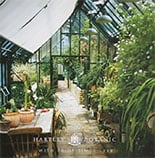

In the greenhouse the tomatoes are fully into their stride, but there are more yellow leaves than green ones, and the whole place smells of ripe fruit and earthiness. This is the moment I start thinking about what might come next – it is such a precious space and it needs to be used well all year round. For me the answer, increasingly, is herbs. There will be a time for seed sowing soon but right now I am interested in keeping some of the perennials going. Bits of plant can be dug out of the garden, potted up, and brought under glass to carry on quietly through the dark months while everything else sits still.
Mint
Left outside mint will die down and hibernate until spring, but it is very easy to keep it going. In September or October, dig around the edge of a mint clump and pull up a section of the white, jointed runners. You want lengths with visible growing points along them. Cut into pieces four or five inches long, lay them horizontally on compost in a pot or seed tray, cover with an inch or so, and water.
Kept frost-free, they will shoot within weeks, and if they don’t then bring them indoors and they soon will. Pick lightly and often. A single pot on the greenhouse staging will give you mint tea all winter, and by spring you’ll have a full plant to put back outside.
Chives

I like to try to keep chives going through winter but they are a little more tricky. Chives are looking pretty tatty by now as if they have had enough of the growing season, and sure enough they really need a spell of dying back and getting a good chill before they’ll oblige and shoot again. Lift a clump now and split it into small sections then pot them into 4-inch pots. Leave them outside, exposed, until the first hard frost hit them and they have died back completely.
From late November you can start bringing in a couple of pots at a time. The cold has done its work and these little plants will respond quickly to the more sheltered conditions of the greenhouse, but if it is still cold you could even bring them in to the kitchen windowsill. They should send up fresh green spikes in a fortnight or so. Staggering them means you can keep a supply coming until spring rather than having everything at once.
Others worth lifting
Parsley transplants poorly once it has a long taproot, so lift small, young plants rather than mature ones, and take as much root as you can. If you have left a parsley plant to go to flower and then seed you will have plenty of little seedlings around, and these will be perfect. Second-year plants will bolt, so use first-year ones.
Tarragon and marjoram will both divide well in autumn and will give a modest but worthwhile winter picking under glass. Sorrel is also great for this treatment. Lift a crown, pot it, and it will produce sharp lemony leaves through the coldest months.
Rosemary, thyme and sage don’t need lifting at all as they are hardy and stay outside, and can be picked from all winter. But if you have any of them as young plants in containers their leaves will stay greener and cleaner in the greenhouse than those outside and battered by winter rain, hail and frost, so move them indoors if you have the space. They will also make the winter greenhouse smell wonderful on mild and sunny days.
General rules
Use pots only slightly bigger than the rootball. Peat-free multipurpose with a handful of grit will suit all of these herbs. And water sparingly – most winter herb losses are down to rot, not cold. Ventilate whenever the weather allows.